
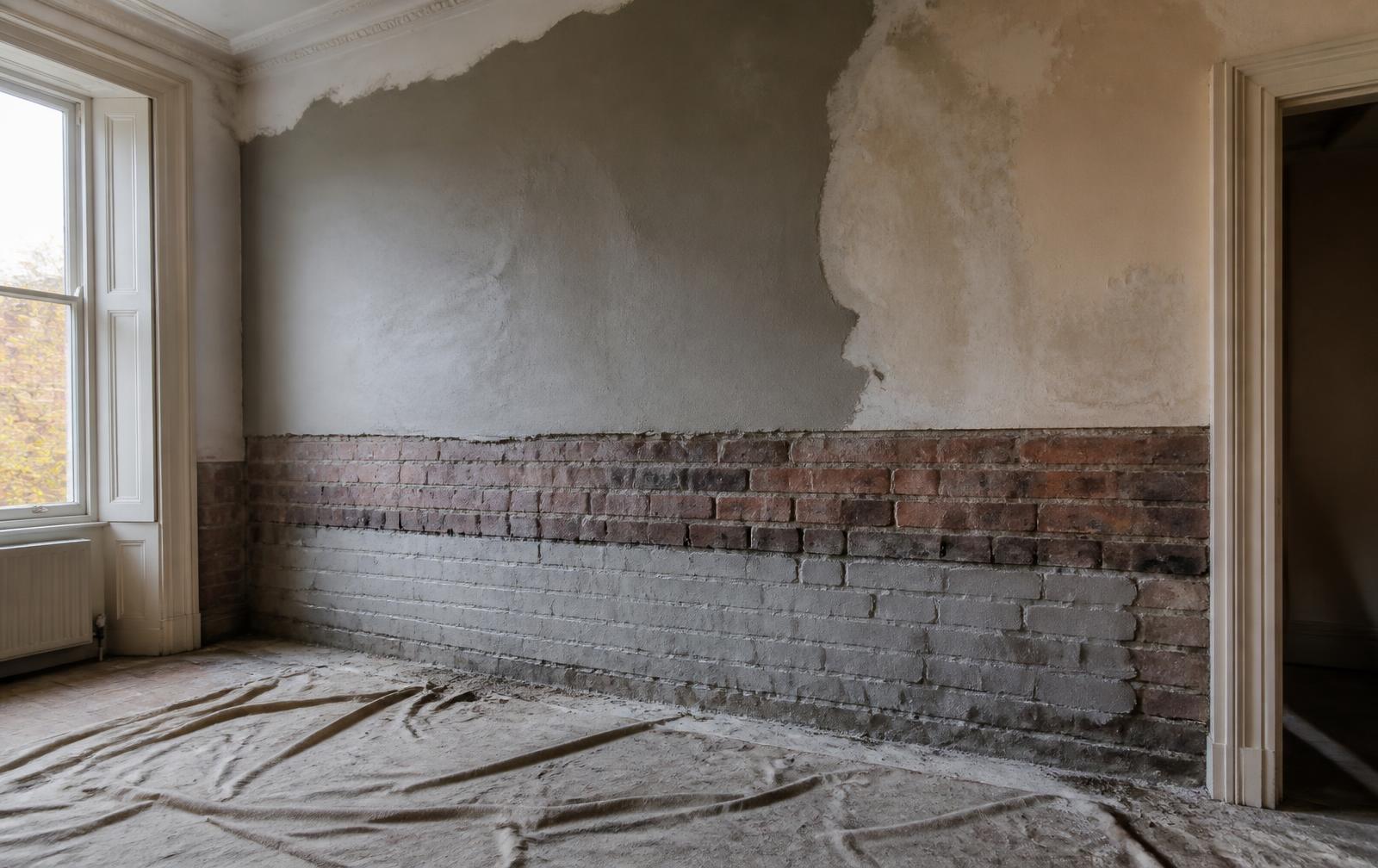
Damp Proofing SpecialistsDiagnose First,Then Fix Properly
Rising damp, penetrating damp and condensation each need a different fix, we diagnose the actual cause with meter readings and inspection before we quote a single treatment.
Public liability & contract works cover on every project.
Y Elite Constructions Ltd · Company No. 14059433.
Every job backed by a 12-month written workmanship guarantee.
Free itemised on-site quotation, no vague ballpark figures.
Structural work signed off by independent Building Control.
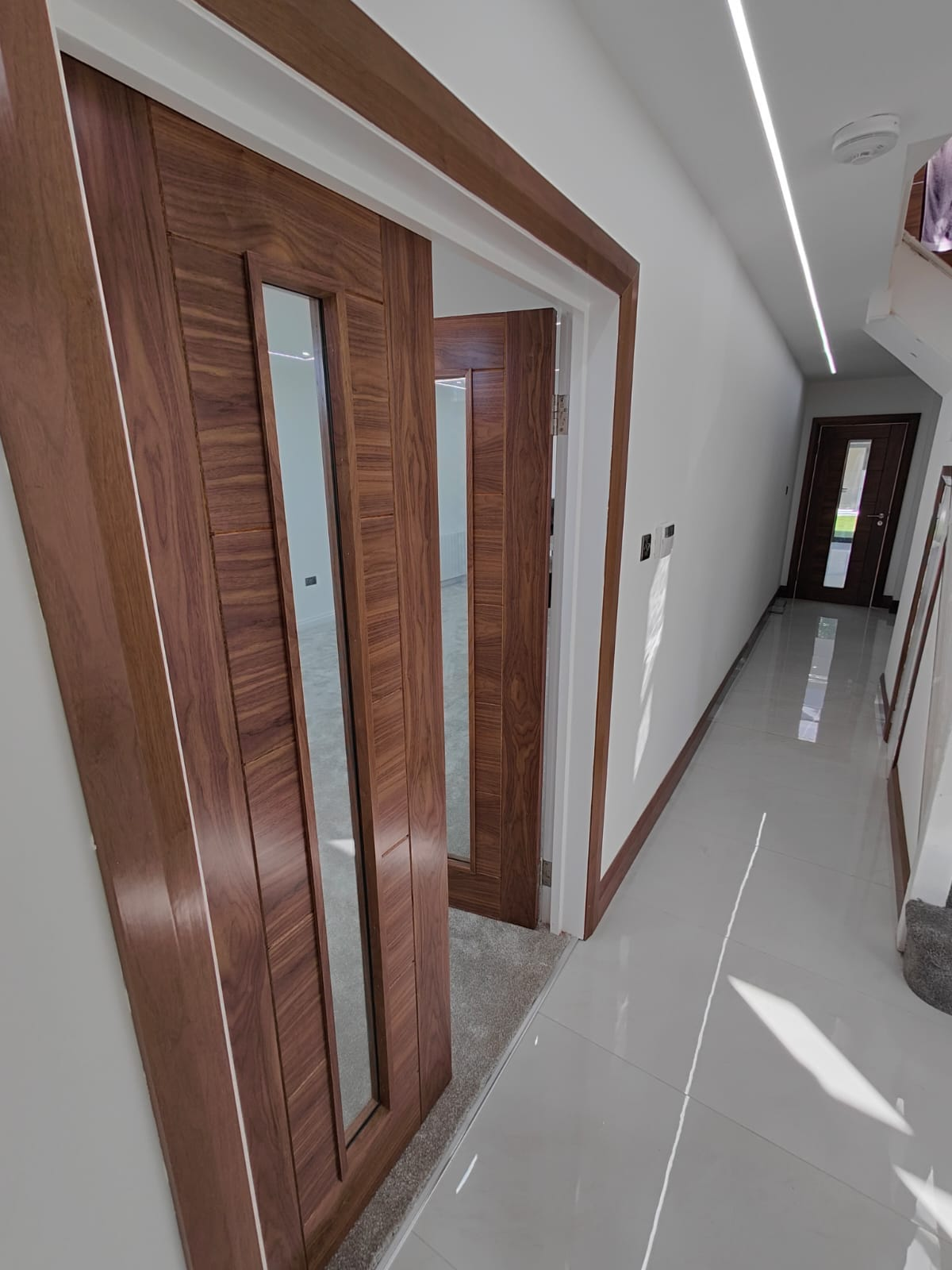
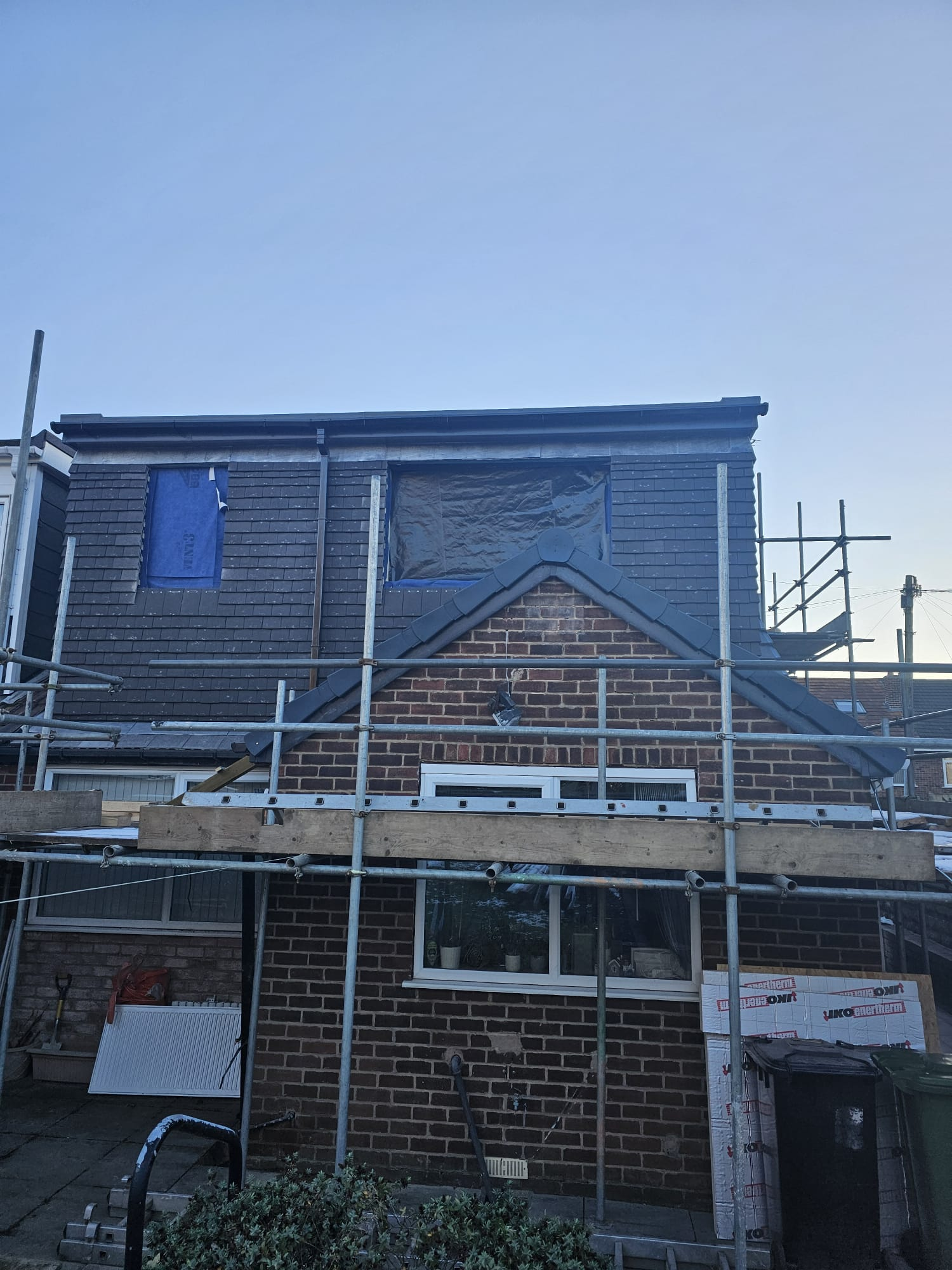
A snapshot of recent builds across Leeds and West Yorkshire, from extensions and loft conversions to kitchens, roofing and full interior finishes.
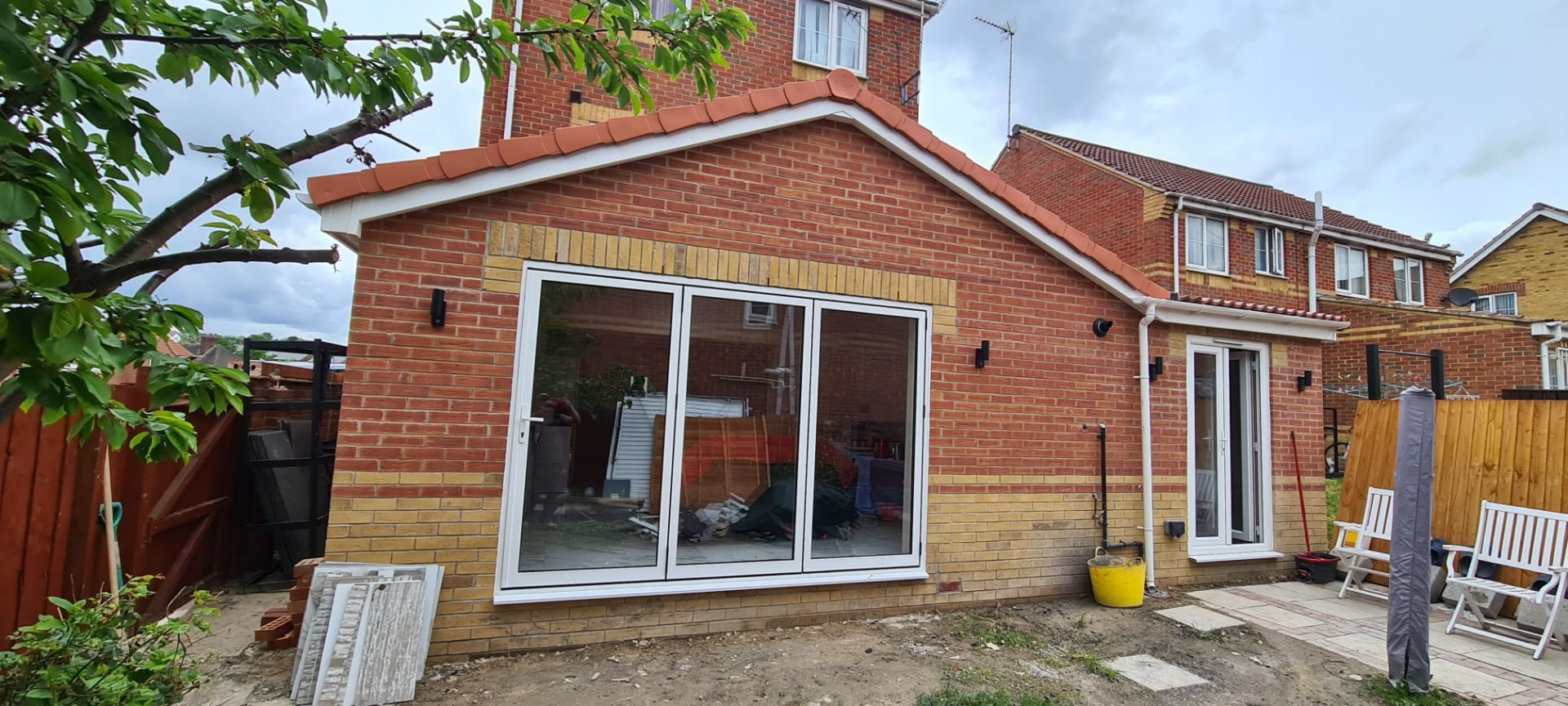
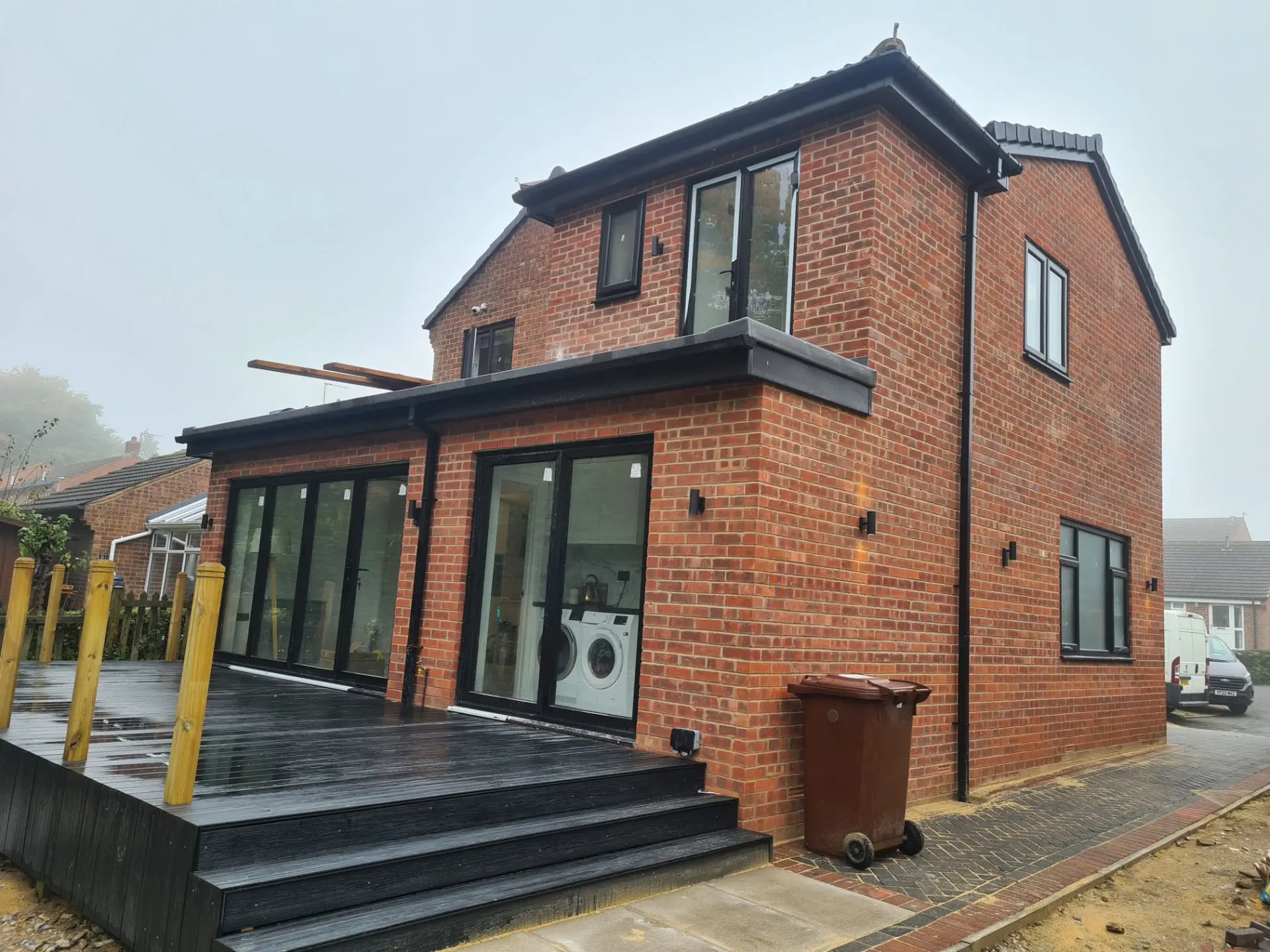
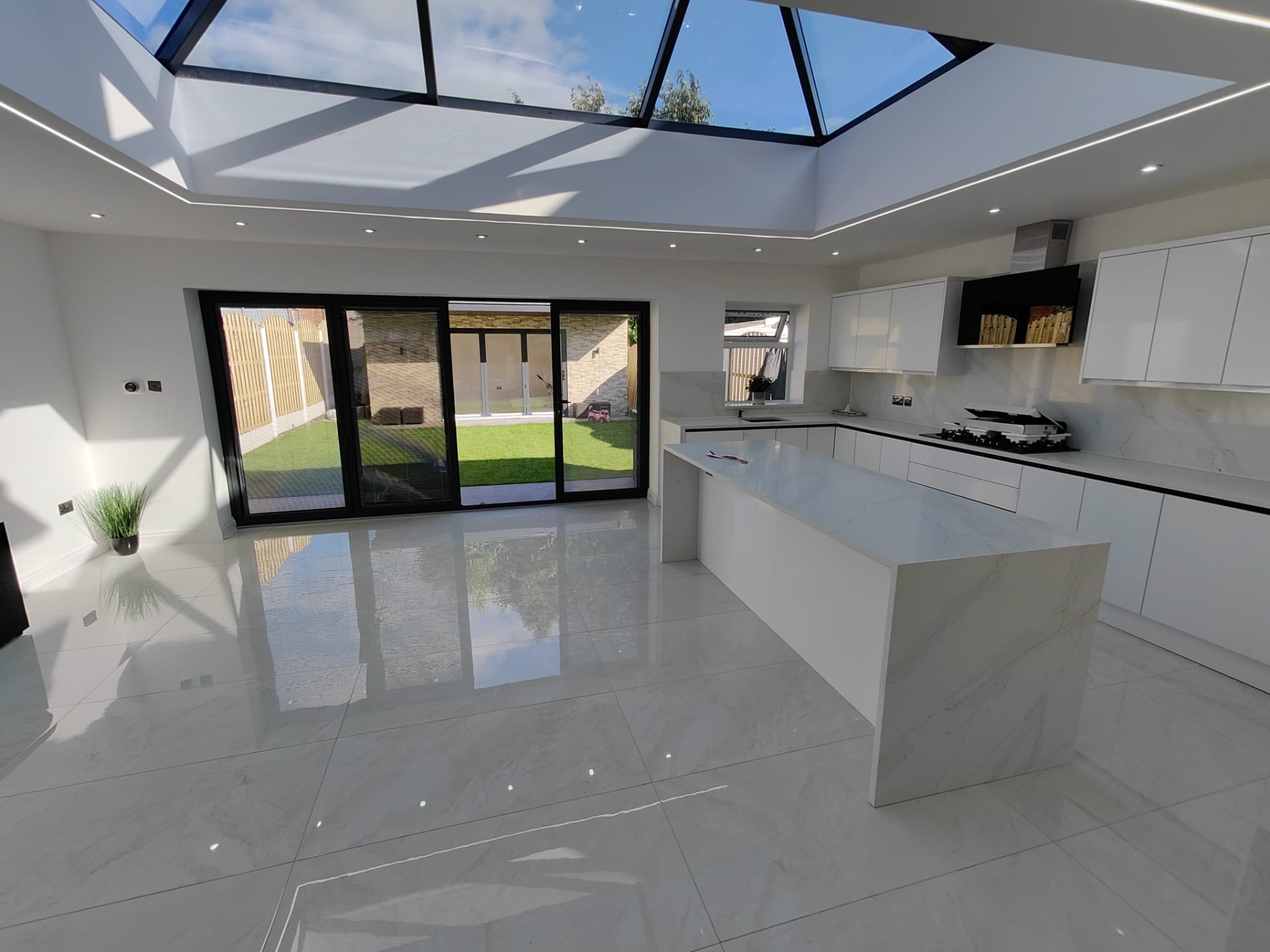
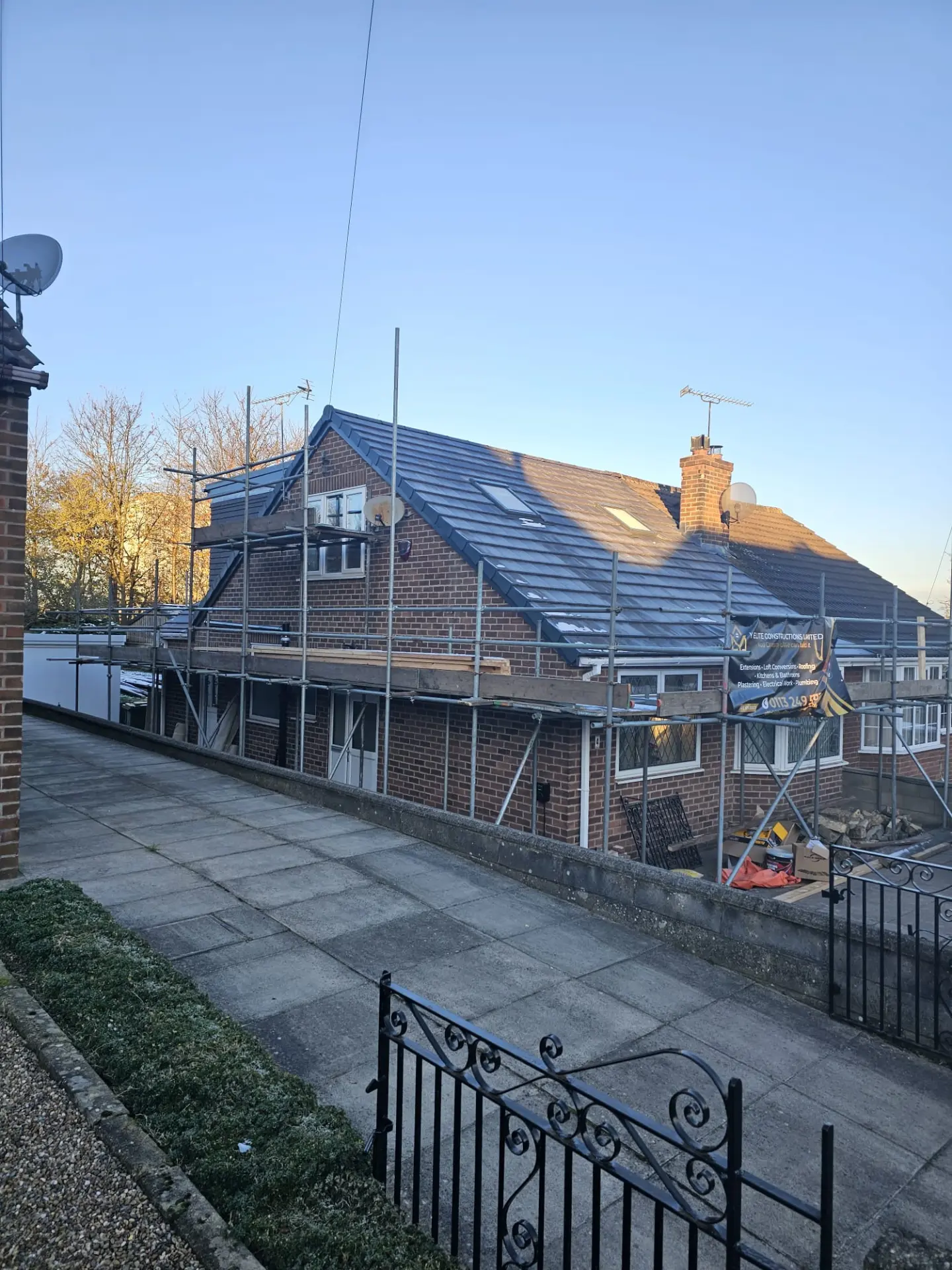
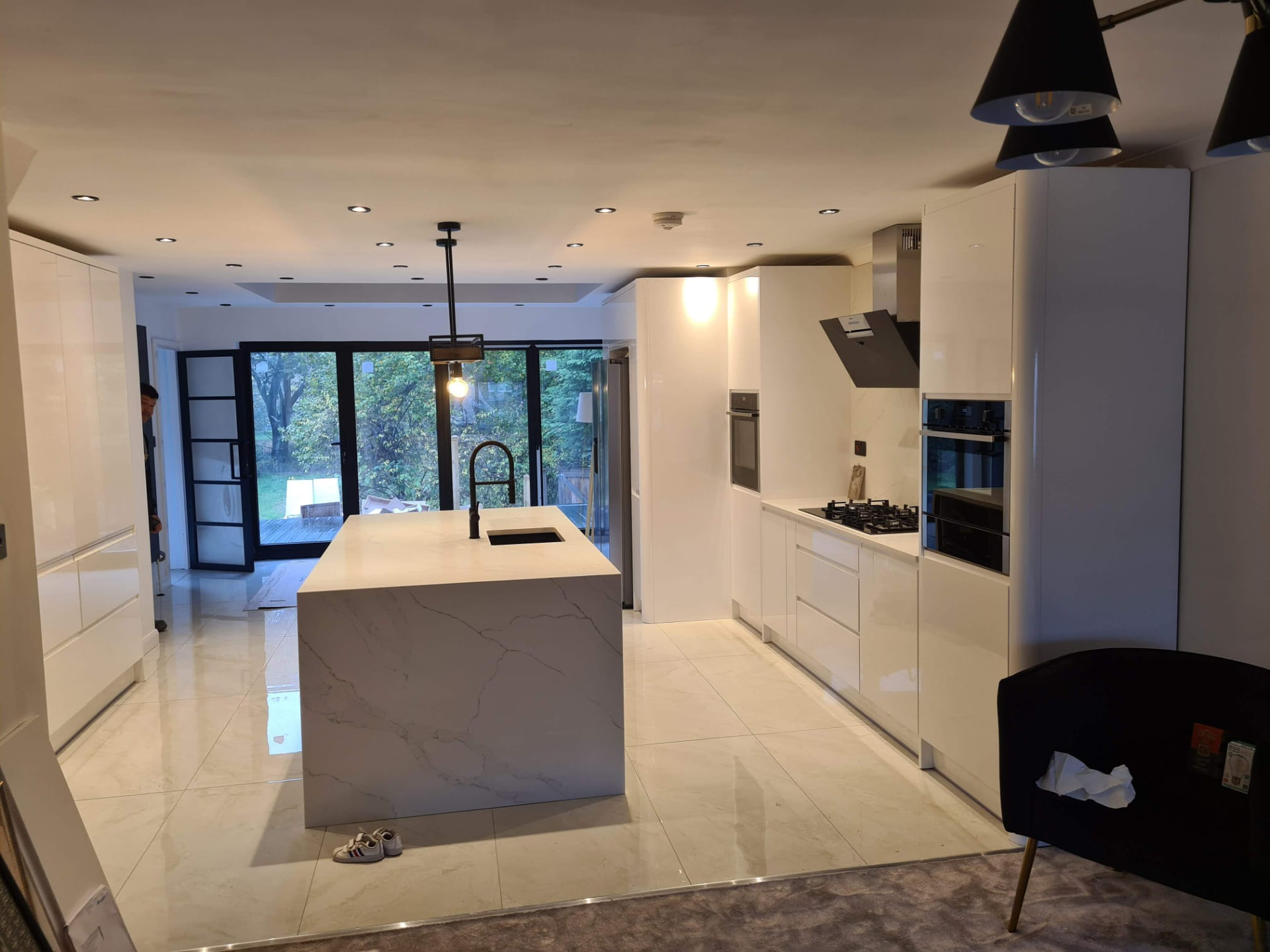
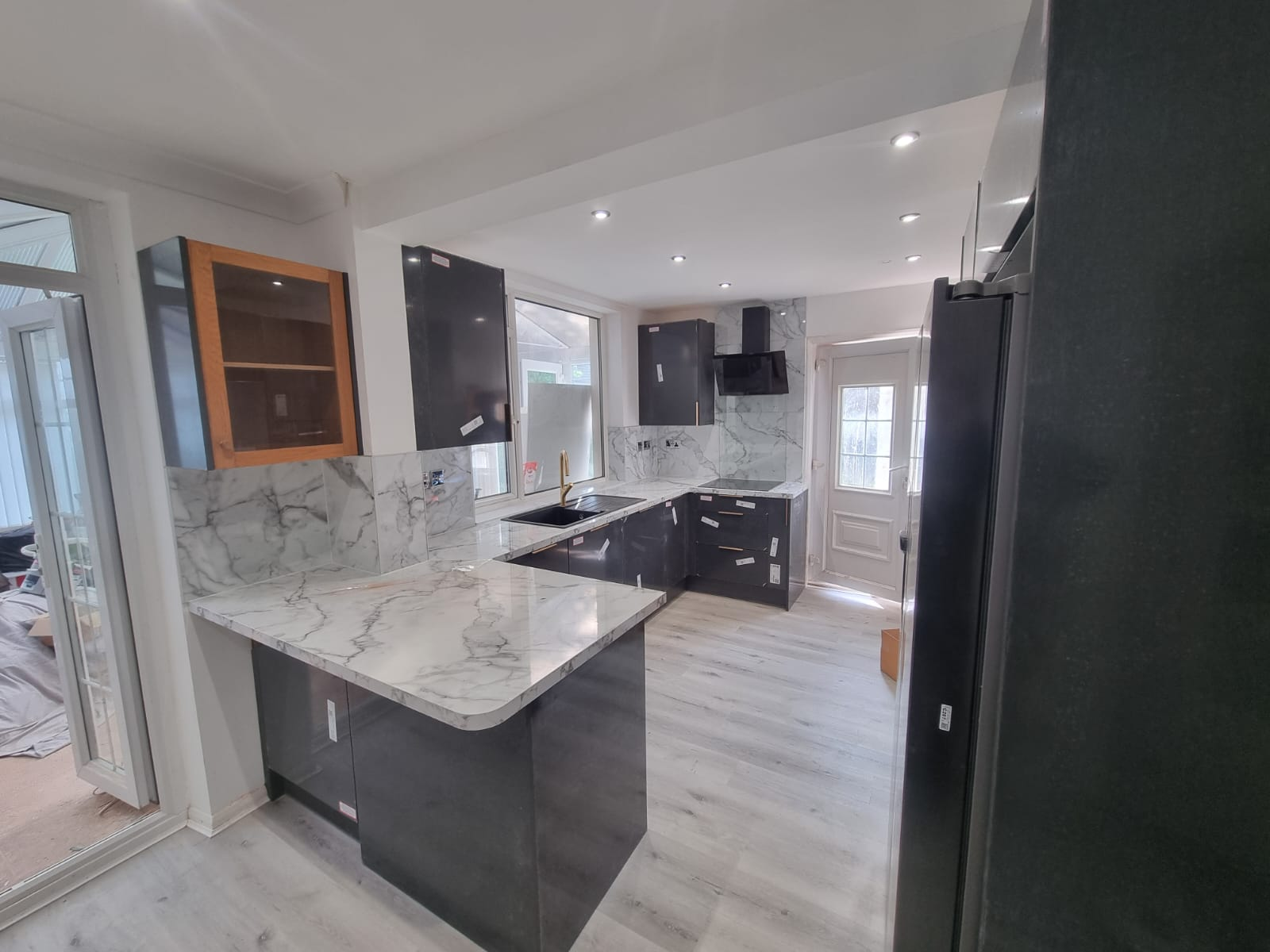
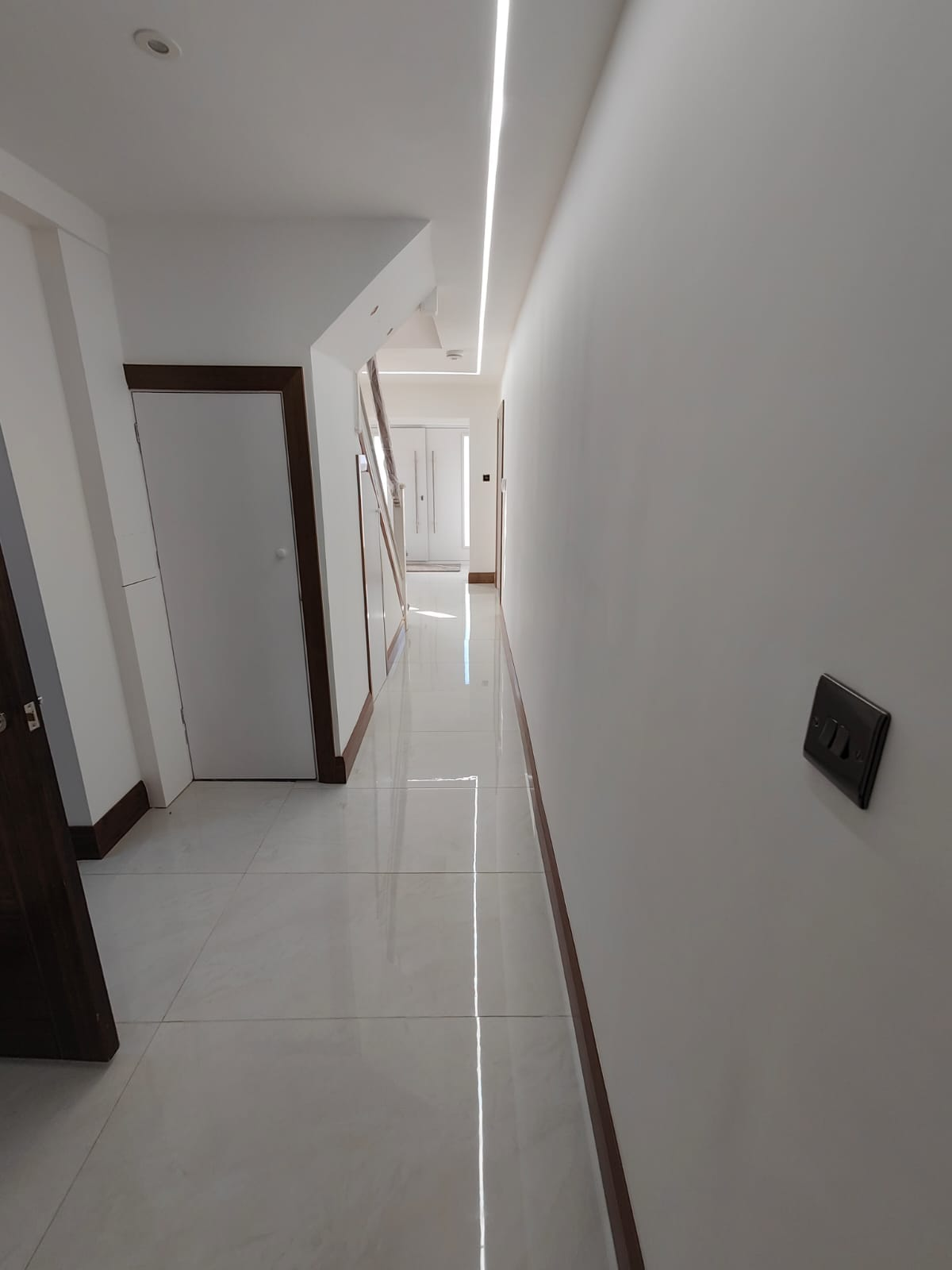
Damp Proofing in Leeds, done end-to-end by one accountable team.
What it is
Damp proofing covers the diagnosis and treatment of moisture problems in buildings, rising damp (from the ground up through walls), penetrating damp (rainwater ingress through walls, roofs or windows), condensation damp (interior humidity condensing on cold surfaces), and cellar/basement tanking (permanent waterproof lining below ground level).
Who it's for
Homeowners with damp patches at skirting level, salt bloom on plaster, black mould in corners or window reveals, musty smells in cellars, or tide marks on chimney breasts. Also anyone whose survey has flagged "raised damp readings" pre-sale.
When it's needed
As soon as you spot the symptom, damp problems escalate. A small salt bloom this year becomes a full wall of blown plaster and rotten skirting board next year. Ignoring damp before a house sale costs more than fixing it, surveyors flag it, buyers demand a discount, and the treatment has to happen anyway.
Why professional help matters
The damp industry has a bad reputation for one reason: mis-diagnosis. Condensation problems get treated with chemical DPC injection that does nothing; genuine rising damp gets covered with a fresh skim that blows within months. Proper diagnosis first, with moisture meters, thermal imaging where appropriate, and an actual understanding of the building: is the only way to fix damp permanently.
The problems that turn a manageable job into an expensive one.
Untreated damp problems compound quietly. The visible symptom this month is the least of what's happening in the wall.
Risks & escalating costs
- Rising damp left untreated draws hygroscopic salts to the surface, even after the moisture source is fixed, the salt-contaminated plaster keeps attracting moisture from the air and blowing indefinitely.
- Penetrating damp from failed pointing or gutters saturates the wall, freezes, and starts to break down the mortar and brickwork itself: turning a £600 pointing repair into a £6,000 rebuild.
- Condensation damp behind furniture becomes black mould that damages plaster, decoration, soft furnishings and: importantly, respiratory health for occupants.
- Cellar and basement damp left untreated destroys stored belongings, undermines resale value, and eventually rots timber floors above.
- Salt-contaminated plaster left in place after a damp fix means the wall keeps looking damp forever, even though the moisture source is gone.
Common homeowner mistakes
- Accepting a chemical DPC injection quote without a proper moisture profile survey, many "rising damp" callouts are actually condensation.
- Painting over damp with anti-mould emulsion instead of finding the source.
- Skimming over blown salt-contaminated plaster, the salt migrates through and the new plaster blows too.
- Fitting fans to "solve" condensation without addressing the underlying humidity source (dryer venting internally, unvented tumble drying, blocked airbricks).
- Cement-rendering the outside of a solid-wall Leeds terrace to "waterproof" it, actually trapping ground moisture inside and making things dramatically worse.
Five accountable steps, dated in writing.
Step 1, Diagnostic Survey
Full moisture meter survey of affected walls, external inspection of gutters, roof, pointing and ground levels, and where relevant thermal imaging or salts analysis. You receive a written report identifying the actual cause, not an assumption.
Step 2, Written Recommendation & Fixed Quote
The correct treatment for the actual problem, which may be DPC injection, tanking, external repair, ventilation upgrade, or a combination. Fixed itemised quotation.
Step 3, Preparation
Furniture removed, floors and remaining fixtures protected. Salt-contaminated plaster hacked off to sound brick where needed. External repairs (pointing, gutters, ground level lowering) completed first where the damp source is external.
Step 4, Treatment
Chemical DPC injection to the correct depth and spacing for genuine rising damp; cavity drain membrane or cement tanking for below-ground cellars; ventilation upgrades for condensation; renewed pointing and lead flashings for penetrating damp.
Step 5, Re-Plaster & Guarantee
Salt-resistant re-plastering system where required, waterproof render coat plus finish skim. Full site clean, 12-month written workmanship guarantee, and product manufacturer warranties handed over.
Concrete outcomes, not vague promises.
Diagnosis before treatment
We identify the actual cause with meter readings and inspection, no guessing, no scattergun treatment.
Right treatment, right fix
Rising damp, penetrating damp and condensation each get the specific treatment they need, not a generic "damp course".
Salt-resistant re-plaster
Where salt contamination exists, we re-plaster with waterproof render systems that stop the salts migrating back through.
Ventilation strategy
For condensation, we specify correctly-sized extractors, air brick clearance, and humidity management: not just "put a fan in".
Cellar tanking that works
Cavity drain membrane systems with sump and pump where required, guaranteed dry usable cellar space.
Written guarantee
Workmanship guarantee on installation plus manufacturer product guarantees (typically 10–30 years on DPC systems and tanking membranes).
Materials, methods and variations for damp proofing in Leeds.
Damp is not one problem, it's a family of separate problems with separate causes and separate solutions. Getting the diagnosis right is the whole job.
Rising Damp, Actual & Alleged
Genuine rising damp is moisture drawn up through masonry from ground contact where the original DPC has failed or was never installed. It presents as a tide mark typically 1m or less above floor level with salt contamination in the plaster. Many "rising damp" callouts are actually condensation or penetrating damp misdiagnosed, we test properly first. Treatment: chemical DPC injection to sound brickwork, salt-resistant re-plastering, and where relevant lowering external ground level below the DPC line.
Penetrating Damp
Rainwater entering the wall from outside, failed pointing, defective render, blocked or leaking gutters, cracked flashings, or ground levels bridging the DPC. Presents as damp patches unrelated to floor level, often worse after wet weather. Treatment: identify and fix the external source first; internal replastering only after the wall has dried out.
Condensation Damp
Interior humidity condensing on the coldest surfaces, typically north-facing walls, cold corners, single-glazed window reveals. Presents as black mould in patches, often behind furniture. Treatment: identify the humidity source (unvented drying, cooking, showering, gas heater use), improve ventilation (fans in kitchens and bathrooms, trickle vents, humidity-controlled MEV where appropriate), and address any cold spots with insulation. Chemical DPC will not fix condensation.
Cellar & Basement Tanking
Below-ground rooms are dealt with using cavity drain membrane systems, a studded plastic membrane fixed to walls and floor, water managed to a perimeter channel, and pumped to a soakaway or drain if gravity discharge isn't possible. Alternative: cementitious tanking (Sika or similar) applied directly to the wall. Membrane systems generally more reliable long-term. Full waterproof internal finish over the top.
Salt-Contaminated Plaster
After any rising or penetrating damp treatment, existing plaster contaminated with hygroscopic salts must be removed, otherwise the salts continue to attract moisture from the atmosphere and the new decoration blows. Salt-resistant re-plaster systems (waterproof render undercoat plus finish skim) prevent the salts migrating back through.
Timber Treatment
Damp affects timber, joist ends, floorboards, skirting, and (worst case) roof timbers can suffer wet rot or dry rot. We inspect affected timber during the damp survey and quote for cut-out and replacement plus preservative treatment where needed. Dry rot spreads aggressively and needs urgent, thorough removal.
Straight answers on cost, timeline and guarantees.
How much does damp treatment cost in Leeds?
A chemical DPC injection with salt-resistant re-plaster on a typical wall costs £750–£1,600. Full cellar tanking £3,500–£12,000 depending on size and complexity. Condensation ventilation solutions £250–£1,200. A written diagnostic survey ranges from free (for straightforward calls) to £150 for full multi-wall properties, refunded against the works.
How do I know if I have rising damp or condensation?
Rising damp shows as a tide mark typically 1m or less above floor level with salt bloom in the plaster. Condensation shows as black mould, typically on north-facing walls, in corners, on cold single-glazed reveals, or behind furniture. We survey with meters and inspection to confirm before recommending treatment.
Does chemical DPC injection actually work?
For genuine rising damp, yes: modern silane/siloxane cream systems are effective and carry 20–30 year manufacturer guarantees. For condensation or penetrating damp, no, chemical DPC does nothing because those problems aren't rising moisture. Correct diagnosis is what makes the treatment work.
How long does damp treatment take?
A single-wall DPC injection and re-plaster typically 2–3 days on site plus 5–14 days for plaster drying before decoration. Full cellar tanking 1–3 weeks. External penetrating damp repair (pointing, gutters, flashings) 1–5 days depending on scope.
Do I need to move out during damp treatment?
Almost never, treatment is room-by-room, and we protect adjacent areas. Cellar tanking is entirely below ground and doesn't affect the living space at all.
What guarantee do I get?
12-month written workmanship guarantee on installation, plus manufacturer product guarantees on the DPC cream system (typically 20–30 years) and tanking membranes (typically 10–25 years). Documentation handed over on completion.
Can you sort the damp before I sell my house?
Yes, this is one of the most common calls we get. A written specialist damp report plus completed treatment and re-plastering satisfies surveyors and prevents buyers using the damp reading to negotiate the price down. Turnaround typically 2–4 weeks including drying time.
Will the damp come back?
Not when the diagnosis was correct and the treatment matches the actual cause. Guaranteed treatments have decade+ manufacturer warranties. Damp "recurring" is almost always a sign that the original diagnosis was wrong, often condensation misdiagnosed as rising damp.
Is damp treatment covered by insurance?
Generally no, buildings insurance excludes gradual damp and condensation. Sudden and unexpected water damage (burst pipe, storm ingress) is typically covered, but ongoing damp problems are treated as a maintenance issue and are the homeowner's responsibility.
Get a fixed itemised quote for your damp proofing in Leeds.
Free on-site consultation. Written specification. Fixed price with a dated completion. No pressure, no obligation, and no vague ballpark figures.